
Understanding the Importance of Training Your Dog
Training your dog is a fundamental aspect of responsible pet ownership that can significantly enhance the quality of life for both the pet and the owner. The importance of training lies in its ability to address behavioral issues that may arise if a dog is not properly educated. For instance, inconsiderate behaviors such as excessive barking, chewing on furniture, or jumping on guests can lead to frustration for the owner and discomfort for visitors. Effective training helps mitigate these issues, fostering a harmonious living environment.
Moreover, training is vital for a dog’s socialization. Properly training your dog allows it to interact appropriately with other animals and people, reducing the likelihood of aggressive tendencies and fear-based reactions. Dogs that are well-socialized tend to display better behavior, making outings to parks, vet visits, and other social settings less stressful. This engagement is essential not only for the dog’s welfare but also for public safety.
Training also plays a critical role in ensuring the safety of your dog. Commands such as ‘sit,’ ‘stay,’ or ‘come’ can be lifesaving in unexpected situations, such as when a dog encounters traffic or feels threatened by another animal. A well-trained dog is more likely to respond predictably and adhere to commands, allowing owners to maintain control and ensure their pet’s safety in various environments. Furthermore, training helps to establish a strong bond between the owner and the dog. This relationship is built on mutual respect and trust, with the dog learning to look to its owner for guidance. As the dog acquires new skills and recognizes positive reinforcement, the bond deepens, creating a rewarding companionship.
In summary, understanding the importance of training your dog extends beyond mere obedience. It encompasses behavioral management, socialization, safety, and the foundation of a rewarding relationship, all of which contribute to a fulfilling and enjoyable life for both the dog and its owner.
Getting Started with Basic Commands
As new dog owners embark on the journey of training their puppies, mastering basic commands becomes a fundamental aspect of fostering a well-behaved canine companion. Teaching essential commands such as “sit,” “stay,” “come,” and “down” lays the groundwork for effective communication between the owner and their dog. These commands not only provide the dog with clear expectations but also enhance safety and facilitate a harmonious living environment.
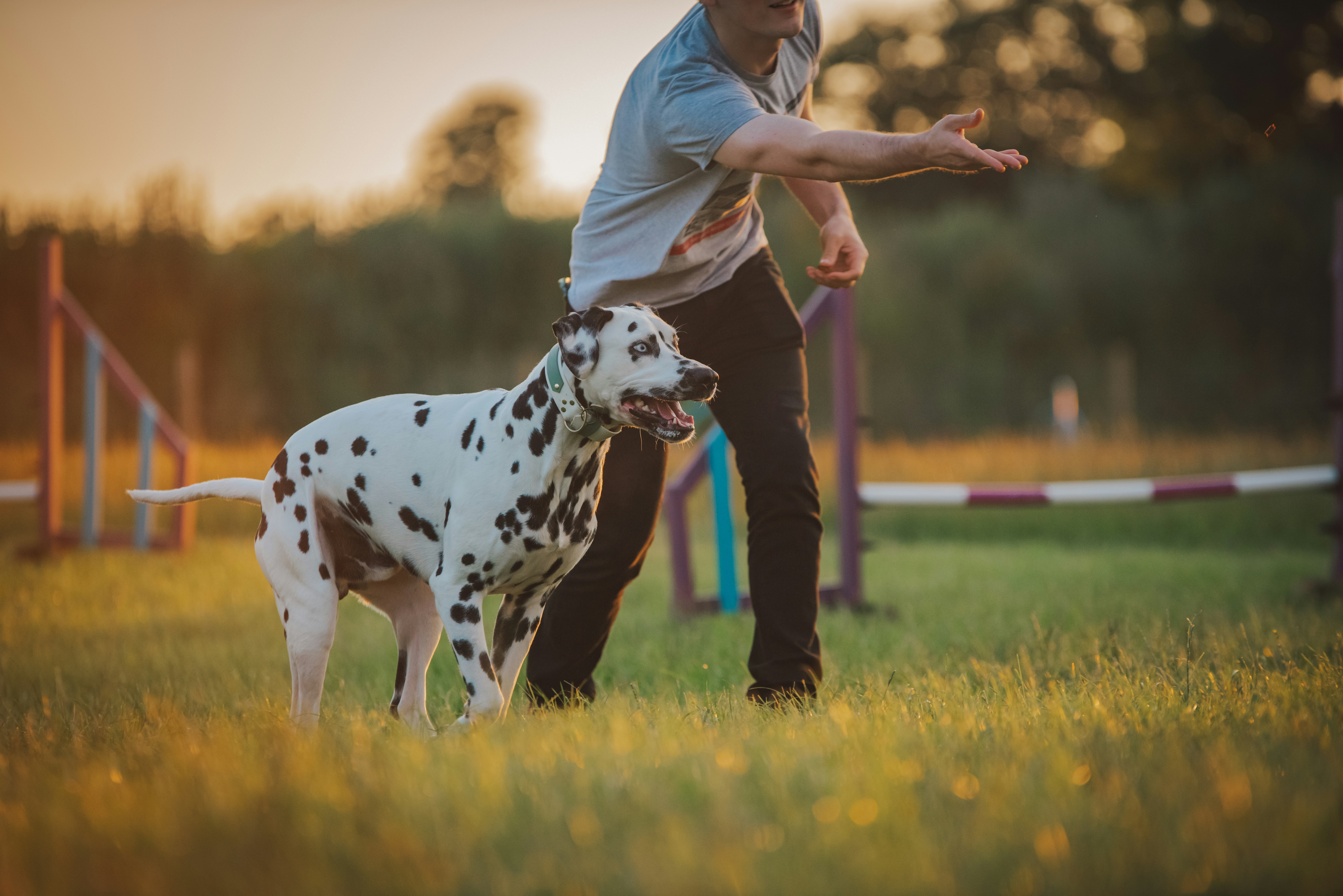
The command “sit” is often the first taught, as it is crucial for establishing a sense of order. Teaching this command involves rewarding the puppy when they naturally fall into a sitting position. Reinforcing this behavior with positive reinforcement encourages consistency and helps solidify the command in the dog’s repertoire.
The next vital command, “stay,” is instrumental in teaching puppies impulse control. This command helps prevent unwanted behaviors, such as bolting out the door when it opens. Practicing “stay” reinforces the importance of patience and attentiveness in dogs, fostering a sense of reliability.
Another significant command is “come,” which provides owners with a tool to call their dog back to them. It is particularly important for ensuring the puppy’s safety during outdoor activities. Utilizing this command consistently, and rewarding the dog for approaching, helps build trust and reinforces the bond between dog and owner.
Finally, the command “down” serves as a useful calm-down technique. It encourages puppies to settle and relax, aiding in managing excitement levels. Collectively, these foundational commands play crucial roles in creating a well-mannered pet. They not only guide the puppy’s actions but also prepare them for advanced training in the future. Developing these skills early on sets the stage for a fulfilling relationship as the dog matures.
Using Positive Reinforcement Techniques
Positive reinforcement is a powerful and effective method of dog training that focuses on rewarding desired behaviors. This approach leverages the natural inclination of dogs to seek pleasure and avoid pain, thereby creating a more conducive learning environment. By incorporating rewards such as praise, treats, and play into training sessions, dog owners can significantly enhance the dog’s ability to learn and respond to commands.
Praise is one of the simplest yet most effective forms of positive reinforcement. When a dog performs a desired action, such as sitting on command, verbal praise accompanied by an enthusiastic tone encourages them to repeat that behavior. This not only strengthens the bond between the dog and the owner but also fosters a positive association with the behavior itself. Dogs thrive on validation, and the immediate feedback they receive upon completing a task correctly motivates them to keep learning.
Treats are another vital component of positive reinforcement. Using small, high-value treats can effectively attract your dog’s attention and reward them for good behavior. The key is to offer treats that are appealing and to administer them at the precise moment the dog performs the desired action. This method establishes a clear connection between the behavior and the reward, making it easier for the dog to understand what is being asked of them. Consistency is crucial; ensuring that your dog receives a treat every time they follow a command helps solidify their learning.
Play can also serve as a valuable reward. Engaging in playtime with your dog can reinforce positive behaviors while strengthening your bond. Activities like fetch or tug-of-war can be used as a reward after successfully completing a command, thereby promoting an enjoyable training experience. By focusing on these positive reinforcement techniques, new dog owners can create a rewarding atmosphere that encourages their pets to learn, fostering a sense of accomplishment and enthusiasm for training.
Setting Up a Training Schedule
Establishing a training schedule is a critical component in nurturing a well-behaved dog. Consistency in training helps reinforce the behaviors you wish to encourage, making it essential for new owners to develop a practical and sustainable routine. Since each dog has unique learning capabilities, a training schedule should be tailored to fit both the owner’s and the dog’s needs.
The core principle behind effective dog training is to engage in short, focused sessions that last between 5 to 15 minutes. These brief intervals can significantly enhance retention while preventing boredom or frustration on the part of the dog. New dog owners should consider conducting multiple sessions throughout the day, ideally integrating training into daily activities, such as morning routines or evening walks. This ensures that training becomes a natural part of your dog’s day rather than a chore.
It is beneficial to create a balanced routine that includes commands, socialization, and even playtime, which is crucial for a dog’s development. For instance, alternating between basic command training, leash walking, and social interactions can keep the training dynamic and stimulating. Furthermore, incorporating a reward system during these sessions can accelerate learning while fostering a trusting bond between the owner and dog.
Moreover, new owners should remain adaptable with their schedules. Life with a dog can be unpredictable, and it is important to allow for flexibility. On days when time is constrained, even a few minutes of focused training can be advantageous. Ultimately, the goal is to maintain a positive and rewarding training experience that cultivates good behavior in your dog.
Socializing Your Dog with Other Dogs and People
Early socialization is a crucial aspect of ensuring your dog develops into a well-adjusted adult. It involves exposing your puppy to a variety of environments, other dogs, and new people during their formative weeks. This process not only builds their confidence but also helps them learn appropriate behaviors in different situations.
To start socializing your dog, introduce them to various settings that they may encounter throughout their lives. For instance, taking your puppy to a park bustling with activity can expose them to different sounds, scents, and people. Gradually allow them to explore under your guidance, ensuring they feel secure at all times. It is important to remain calm and patient, as your demeanor can influence their reaction to new experiences.
When it comes to meeting other dogs, begin with those that are friendly and well-mannered. Arrange playdates with known dogs or attend puppy socialization classes. These gatherings provide a controlled environment where your puppy can engage with others while supervised. Supervision is key; it ensures any interactions remain positive and helps prevent negative experiences that can lead to fear or aggression later in life.
Additionally, expose your puppy to various people of different ages, sizes, and appearances. Encourage fun and gentle interactions, such as petting and playing, to build their comfort level. Always monitor these introductions to ensure the encounters are pleasant. Remember, positive experiences lay the groundwork for your dog to be sociable and comfortable with future encounters.
By focusing on these socialization techniques, new dog owners contribute significantly to their pet’s happiness and behavior, ultimately leading to a well-rounded individual. As a dog grows older, the social skills developed during these early interactions will serve them well in various aspects of their life.
Addressing Common Behavioral Problems
For new dog owners, understanding and managing common behavioral problems is crucial to fostering a positive relationship with their pets. Among the frequent issues encountered are excessive barking, destructive chewing, and jumping. Each of these behaviors can stem from various underlying causes, including anxiety, boredom, or the need for attention.
Excessive barking is often a means for a dog to communicate. Dogs may bark to alert their owners to perceived threats, to express excitement, or simply out of boredom. To address this, owners should first identify the triggers of the barking and work to minimize these stimuli when possible. Training commands such as “quiet” or employing positive reinforcement strategies when the dog remains calm can effectively curb this behavior over time.
Similarly, destructive chewing can pose a challenge, as dogs might chew on furniture, shoes, or other household items. This behavior can highlight a need for mental stimulation or an outlet for excess energy. Providing a variety of appropriate chew toys and engaging in regular physical activities can significantly reduce unwanted chewing. Encouraging alternative behaviors through redirection and praise when they use their toys can help instill positive habits.
Jumping is another common issue, particularly when a dog is greeting people. This behavior is often an expression of excitement but can be perceived as rude or overwhelming to guests. Teaching the dog to sit when greeting can help to manage this behavior. Consistency in training is key; rewarding the dog for remaining calm and positioned can gradually diminish jumping behaviors. This approach not only enhances obedience but also improves overall safety during interactions.
In conclusion, addressing these behavioral issues through consistent training and understanding can strengthen the bond between dogs and their owners, leading to a harmonious living environment for all involved.
The Benefits of Using Dog Training Apps
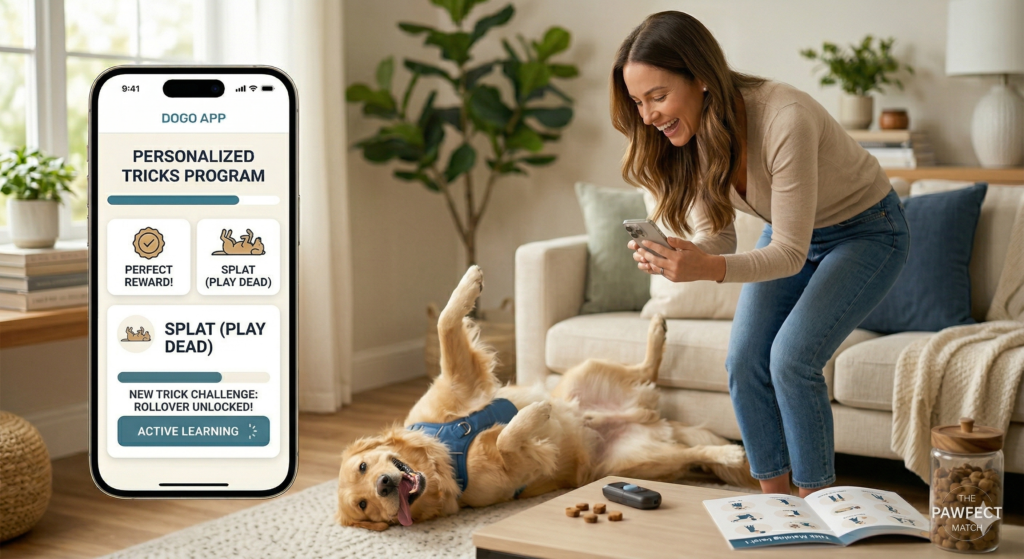
The advent of technology has transformed various aspects of daily life, including the realm of pet care. For new dog owners, utilizing dog training apps offers numerous benefits that enhance the training experience for both the owner and their canine companion. One prominent application that stands out in this domain is the Dogo app, which is specifically designed to assist pet owners in navigating the training process effectively.
One of the primary advantages of using training apps is the structured learning approach they provide. The Dogo app offers step-by-step training guides that cover various commands and behavioral training techniques. This structured method is particularly beneficial for new owners who may lack prior experience in dog training. The app’s interface is user-friendly, allowing owners to easily follow the instructions and implement them with their dogs.
-Click here to try the Dogo app for yourself, the easiest and most effective way to train your dog-
Another significant feature of the Dogo app is its progress tracking capability. Owners can document their dog’s training journey, noting improvements and areas that require more focus. This record-keeping is essential for measuring success and maintaining motivation over time. It allows pet owners to celebrate milestones, no matter how small, which can enhance both the training experience and the bond between owner and dog.
Additionally, the incorporation of video tutorials and community support within the app allows for a comprehensive training environment. Owners can visualize training techniques through instructional videos, making it easier to understand and replicate methods. Moreover, the community feature connects new owners with experienced trainers and fellow pet parents, fostering an atmosphere of shared learning and encouragement.
In summary, dog training apps like Dogo serve as valuable tools for new owners by providing structured learning, progress tracking, and community support. These features not only simplify the training process but also enhance the overall experience of dog ownership, ensuring that both pet and owner thrive together.
Finding Professional Training Help When Needed
As a new dog owner, navigating the myriad of training methods and resources can be overwhelming. While many basic commands can be taught at home, there are situations where seeking the assistance of a professional trainer or enrolling in a class becomes necessary. Recognizing when to seek help is crucial for successful dog training and overall well-being.
One of the primary indicators that professional help is needed is when a dog exhibits behavioral problems that are challenging to manage. Issues such as excessive barking, aggression, or destructive behaviors may require an expert’s insights and intervention. Furthermore, certain breeds or individual dogs may have specific training needs that are best addressed by a professional who specializes in particular techniques or behavioral issues.
When selecting a trainer, it is imperative to consider their training methods. Look for trainers who practice positive reinforcement techniques, as these are generally regarded as the most effective and humane approaches. During the selection process, don’t hesitate to ask potential trainers about their experience, qualifications, and previous successes with dogs similar to yours. Observing a class or seeking testimonials can provide valuable insight into the trainer’s style and effectiveness.
Moreover, ensure that the training environment aligns with your dog’s needs. Some dogs may thrive in a group class setting, while others require one-on-one attention to feel comfortable and confident. Assess whether your dog benefits more from socialization with peers or if personalized training is the best fit. Taking these factors into account will help you identify a suitable training program that aligns with both your goals and your dog’s temperament.
Conclusion: Building a Strong Relationship Through Training
In the journey of dog ownership, training plays a pivotal role that extends beyond simply teaching commands. It acts as a fundamental building block for fostering a robust relationship between the owner and the pet. Effective training equips dogs with essential skills, facilitating better communication and understanding. This process is not only about obedience but also about developing trust and mutual respect.
The key takeaway from the essential dog training tips discussed is that consistency in training routines is crucial. Utilizing positive reinforcement techniques such as treats and praise encourages desirable behaviors and creates a more enjoyable training experience. Additionally, understanding each dog’s unique temperament and learning style can greatly enhance the effectiveness of training sessions. This personalized approach helps in establishing a deeper bond, as owners learn to connect with their dogs on a more intuitive level.
-Click here to try the Dogo app for yourself, the easiest and most effective way to train your dog-
Moreover, it is essential to be patient throughout the training process. Dogs, much like humans, require time to learn and adapt to new behaviors. Practicing patience not only aids in successful training outcomes but also strengthens the emotional connection between the owner and the dog. Engaging in regular training not only enriches the dog’s life by providing structure but also gives owners the opportunity to enjoy quality time together, further solidifying their bond.
Ultimately, training should be viewed as an ongoing journey rather than a destination. As the dog learns new skills and the owner gains more insight into their pet’s behavior, both parties grow together. By focusing on these training principles, new dog owners can effectively navigate their responsibilities while enjoying a fulfilling companionship that lasts a lifetime.