

Introduction to Maternal Behavior in Dogs
Maternal behavior in dogs is a vital aspect of canine life, particularly regarding the survival and proper development of puppies. This behavior encompasses various instincts and actions that a mother dog exhibits towards her offspring during critical developmental stages such as whelping and nursing. Understanding these actions provides insight into the nurturing tendencies typical of canine mothers and the essential role these play in the lives of their puppies.
The instinctual acts of licking and grooming are fundamental components of maternal behavior in dogs. Anogenital licking is a prominent example; it encourages the newborn puppies to urinate and defecate, ensuring that they maintain good hygiene. This form of care not only facilitates the puppies’ bodily functions but also reinforces the mother-puppy bond, which is pivotal for their growth and overall well-being.
Moreover, the act of licking also extends beyond mere hygiene. For many dog owners, observing their dog licking her newborn puppies raises questions such as “why does my dog lick her newborn puppies so much?” or “is it normal for a mother dog to lick her puppies constantly?” The answers to these questions lie in the natural behaviors that dogs exhibit, which are rooted in instinct and genetics.
However, not all maternal behaviors are positive. Instances of a mother dog neglecting puppies can occur and warrant careful observation. Understanding how to tell if a mother dog is caring for her puppies correctly can greatly impact the puppies’ future health. By recognizing the signs of attentive maternal care or the lack thereof, dog owners can take appropriate measures to ensure the well-being of the litter.
The Role of Licking in Puppy Care
Licking is an essential aspect of maternal behaviour in dogs, particularly during the crucial stages of whelping and nursing. A mother dog instinctively engages in this activity for various reasons, primarily related to the health and well-being of her puppies. One of the most significant functions of licking is hygiene; by frequently cleaning her newborns through anogenital licking, the mother facilitates the elimination of waste while also providing essential warmth and comfort.
Another critical function of this licking behavior is to stimulate the puppies’ bodily functions. Newborn dogs are often unable to urinate or defecate on their own until their mother nudges or licks them, thus promoting normal excretory processes. This stimulation is vital, as it helps prevent potential health complications associated with neglecting these bodily functions. Furthermore, licking also regulates the puppies’ body temperature, fostering an environment conducive to growth and development.
In addition to hygiene and stimulation, licking is integral to the bonding process between the mother and her offspring. This physical interaction enhances the emotional connection and security felt by the puppies, allowing them to thrive both physically and emotionally. It is also worth noting that the question of “why does my dog lick her newborn puppies so much?” finds its answer in these multifaceted roles of licking, underscoring its importance in maternal behaviour. It is entirely normal for a mother dog to exhibit this constant licking behavior, as it serves multiple vital purposes.
In some cases, however, a mother dog may show signs of neglecting her puppies, which can lead to concerns regarding their well-being. Observing the mother’s behaviour can assist in understanding if she is caring for her puppies correctly. Ultimately, licking not only contributes to hygiene and stimulation but also acts as a crucial bonding mechanism between a mother dog and her puppies.
Indicators of a Caring Mother Dog
A nurturing mother dog displays several indicators that confirm her effective caregiving abilities. One of the most apparent signs of maternal behaviour in dogs is her attentiveness towards her puppies. This includes regular monitoring of their well-being and ensuring that they remain close to her at all times. A caring mother will frequently check on her litter, positioning herself in a way that each puppy can access her warmth and comfort.
Feeding routines are an important aspect of whelping and nursing behaviors. A mother dog should remain present during feeding times, allowing her puppies to nurse frequently to receive the essential nutrients needed for growth and development. Observing personal feeding behavior can reveal how well a mother dog is fulfilling her responsibilities; a mother who encourages her puppies to suckle and provides support during feeding times is acting in accordance with natural maternal instincts.
Moreover, protective instincts play a crucial role in identifying a caring mother. If a mother dog continually positions herself between her puppies and any perceived threats, it indicates her strong protective behaviour. This extends to her reactions to unfamiliar sounds or people; a vigilant mother may bark or exhibit wary behavior, showcasing her dedication to keeping her puppies safe.
Additionally, puppy grooming and hygiene are notable signs of a mother dog’s attentiveness. Anogenital licking is a necessary practice that encourages proper elimination in newborns, demonstrating her commitment to their hygiene and caretaking. If you find yourself wondering, “why does my dog lick her newborn puppies so much?”, it is typically a normal and instinctual behavior. Furthermore, while it is common for a mother dog to lick her puppies constantly, it is crucial to monitor her behavior. Signs of mother dog neglecting puppies or excessive licking may require observation to ensure her caring methods are healthy and effective.
When is Licking Excessive or Concerning?
Licking is an integral part of maternal behaviour in dogs, particularly during the phases of whelping and nursing. It serves various functions, from cleaning the newborn puppies to bonding with them through physical touch. However, there are instances when a mother dog’s licking might become excessive or concerning, requiring close observation and intervention.
One of the primary signs of excessive licking is when a mother dog appears to be obsessively licking her puppies, bloating the comforting nature of this act into compulsive behaviour. For example, why does my dog lick her newborn puppies so much? could be attributed to her deep-rooted instinct to care for them. However, if the licking persists without breaks and the mother seems distressed, this might indicate underlying issues. Similarly, is it normal for a mother dog to lick her puppies constantly? can be a nuanced question; continuous licking may reflect anxiety or uncertainty in the mother about her role.
Another potential concern arises when licking results in distressing outcomes, such as skin irritation on the puppies. If a mother dog is constantly licking her puppies and they exhibit signs of discomfort, or if their fur is consistently wet due to excessive licking, intervention may be necessary. One should also be wary of cases where a mother dog is neglecting her puppies, potentially an indicator of mental or physical stress.
To assess if a mother dog is caring for her puppies correctly, owners should observe her behaviour in context. Regular cleaning, moderate licking, and attentive feeding habits signify healthy puppy grooming and hygiene. Observing her interactions, energy levels, and the overall health of the puppies will elucidate whether the licking is appropriate or indicative of a deeper concern.
Signs of Healthy Puppies
Assessing the health and wellbeing of puppies is essential for ensuring their healthy development, especially during whelping and nursing stages. Healthy puppies typically exhibit certain characteristics that can be easily observed by their caregivers. Firstly, physical growth is a primary indicator; puppies should gain weight consistently after birth. An effective way to monitor this is by weighing the puppies daily during the first few weeks, as this accounts for their rapid growth during this critical period.
Secondly, activity levels can also signal health in puppies. Healthy puppies are generally active and alert. They should exhibit movements such as crawling and eventually standing and walking as they grow older. Their behavioral patterns of playfulness and exploration are telltale signs of a well-adjusted puppy. Observing how they interact with their littermates and their mother can provide valuable insights into their development and socialization skills.
Furthermore, maternal behaviour in dogs, including behaviors like anogenital licking, is crucial for the health of the puppies. This behavior, along with puppy grooming and hygiene, ensures that the puppies are clean and that they stimulate their digestive systems appropriately. It is also interesting to note that new dog owners often question why does my dog lick her newborn puppies so much?. The act is normal and serves multiple purposes, including bonding and maintaining hygiene.
Lastly, it is important to distinguish between healthy maternal behavior and potential issues such as mother dog neglecting puppies. Attention should be paid to whether the mother dog is nursing adequately and if all puppies are receiving care. Signs of neglect can include excessive whining, isolation, or lack of weight gain in specific puppies. Understanding these factors can assist caregivers in determining how to tell if a mother dog is caring for puppies correctly and can aid in early intervention if necessary.
Understanding the Developmental Stages of Puppies
Puppies undergo several critical developmental stages that significantly influence their behavior and the maternal interactions they require. The first stage is the neonatal period, occurring from birth to approximately two weeks of age. During this time, puppies are entirely dependent on their mother for warmth, nutrition, and care. Maternal behavior in dogs is particularly crucial during this stage, as the mother instinctively engages in whelping and nursing. She ensures her puppies latch securely to nurse, positioning herself to allow easy access.
As puppies grow, they enter the transition phase, lasting from two to four weeks. During this time, they begin to open their eyes and ears, allowing them to become more aware of their environment. Maternal actions, including anogenital licking, play an essential role in stimulating their elimination and promoting hygiene. This behavior is not merely instinctual but also serves as a form of communication between the mother and her puppies, indicating care and bonding.
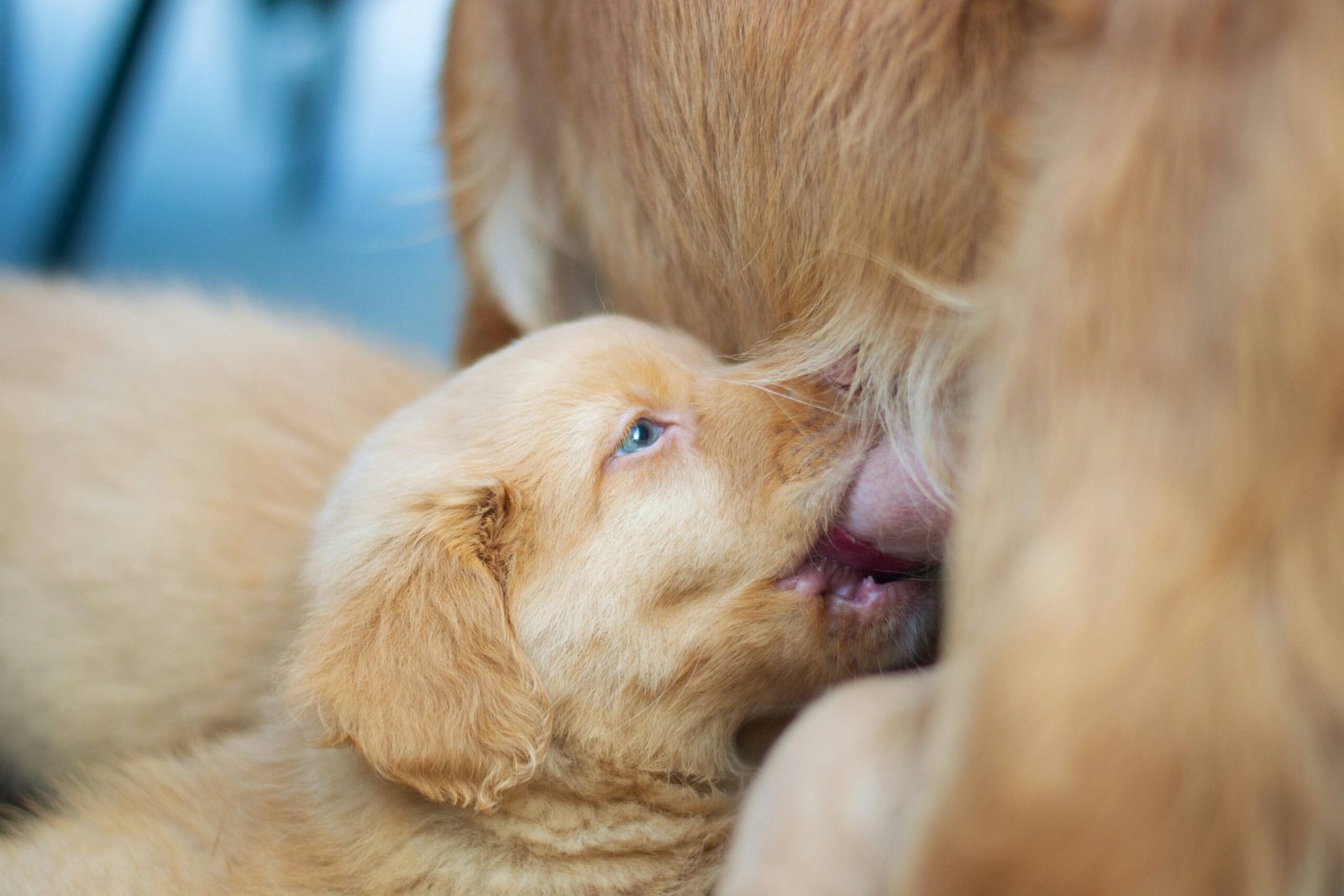
From four to eight weeks, puppies reach the socialization stage. They explore more actively and learn critical behaviors through interaction with their mother and littermates. It is common for a mother dog to lick her puppies constantly during this time, not only to clean them but also to reinforce social bonds and establish roles within the litter. This period is vital for developing social skills and understanding canine etiquette.
As puppies mature beyond eight weeks, the focus shifts towards independence. However, ensuring proper care remains vital. If a mother dog neglects her puppies or exhibits unusual behaviors, such as an increase in licking, it may indicate stress or other issues. Observing these developmental stages can help owners understand if a mother dog is caring for her puppies correctly, ensuring they receive the necessary attention and nurturing.
Common Concerns and FAQs about Maternal Behavior
The maternal behaviour in dogs is crucial for the early development of puppies. However, several concerns often arise among pet owners regarding a mother dog’s nurturing actions. One of the most common questions is, “Why does my dog lick her newborn puppies so much?” This frequent licking serves multiple purposes; it helps stimulate circulation and digestion in the pups, and it also aids in their anogenital licking, which encourages elimination of waste. Such grooming is essential in the initial stages of whelping and nursing.
Another common concern pertains to whether it is normal for a mother dog to lick her puppies constantly. This behavior is generally considered a normal part of a mother dog’s parenting duties. However, if the licking becomes excessive or if the mother dog is showing signs of neglecting her puppies, such as ignoring them or not nursing adequately, it can be a cause for alarm. In such cases, observing the mother’s interactions with her puppies is vital to ensure proper maternal care.
Health concerns can also arise during this crucial period. Identifying how to tell if a mother dog is caring for puppies correctly involves looking for signs of health and development in the puppies. Healthy puppies should be active, vocal, and gaining weight consistently. If any signs of neglect are present, such as cold puppies or those not gaining weight, intervention may be necessary. This can sometimes involve consulting a veterinarian for additional support.
Weaning is another essential aspect of a puppy’s early life. Typically, puppies start to be weaned around six weeks of age, transitioning from their mother’s milk to solid food. This process requires some patience from both the mother and the owner to ensure a smooth transition without significant stress for the puppies.
By understanding these FAQs and concerns regarding maternal behaviour in dogs, pet owners can support a healthy and nurturing environment for both mother and puppies.
When to Seek Veterinary Help
Monitoring the maternal behavior in dogs is crucial for the well-being of both the mother and her puppies. While it is normal for a mother dog to lick her newborn puppies often, this behaviour should not be excessive or indicative of a larger issue. If you find yourself asking, “why does my dog lick her newborn puppies so much?” it may be time to pay closer attention to her overall health and that of her litter.
One of the first signs to observe is the mother dog’s interaction with her puppies. If the mother dog is neglecting her puppies, showing disinterest, or failing to groom them properly, these may be signs of a problem. Maternal instincts typically compel a mother to provide care through whelping and nursing, which includes keeping her puppies clean through anogenital licking. This grooming is essential for the puppies’ hygiene and helps stimulate their bodily functions.
Additionally, physical signs such as a decrease in the mother dog’s appetite, lethargy, or visible distress can indicate that there is a health concern that requires veterinary intervention. For example, if the mother exhibits consistent signs of pain or discomfort when nursing, or if her milk production seems inadequate, consulting with a veterinarian is advisable. A professional can help determine whether these indicators arise from an illness or are simply part of the natural adjustment to motherhood.
It is also important to note that if the puppies appear lethargic, fail to gain weight, or seem unresponsive to their mother’s care, immediate veterinary assistance is warranted. Assessing how to tell if a mother dog is caring for her puppies correctly involves understanding that both the physical and emotional well-being of the mother is vital to the health of her litter. Seeking veterinary advice can provide peace of mind and ensure a healthy outcome for both the dog and her puppies.
Conclusion: Supporting Maternal Instincts
Understanding maternal behaviour in dogs is crucial for any dog owner. The relationship between a mother dog and her puppies is profound and complex, characterized by various actions, including whelping and nursing. One of the most notable behaviours is anogenital licking, which plays a critical role in stimulating the puppies and ensuring their hygiene. This natural behaviour raises questions, particularly among first-time dog owners, such as “why does my dog lick her newborn puppies so much?” and “is it normal for a mother dog to lick her puppies constantly?” It is important to recognize that these actions are beneficial and reflect the mother’s instinctual care.
However, there are instances where a mother dog may be perceived as neglecting her puppies. Understanding how to tell if a mother dog is caring for her puppies correctly can help identify issues that may arise. Owners should monitor the environment and the mother’s interaction with her young ones, ensuring that the mother’s natural behaviours are enabled and supported. For example, while puppy grooming and hygiene are essential, the mother’s licking is also a form of love and bonding, fostering her relationship with her offspring.
In cases where a mother dog fails to exhibit normal maternality or begins showing signs of neglect, intervention may be necessary. Providing additional care and support for both the mother and her puppies can help alleviate stress and encourage a nurturing atmosphere. Thus, fostering a nurturing environment is vital in promoting the mother’s ability to care for her young effectively.
In summary, understanding maternal behaviour in dogs allows owners to support their pets in crucial stages like whelping and nursing. Being attentive to these natural behaviours can ensure the well-being of the mother and her puppies, enhancing their health and happiness.