

Introduction to Animal Rescue Centres in the UK
Animal rescue centres in the United Kingdom serve a vital role in the compassionate care of abandoned, neglected, or abused animals. These facilities are dedicated to providing shelter, medical care, and rehabilitation for a diverse array of animals, including dogs, cats, rabbits, birds, and sometimes exotic species. The primary aim of these centres is to ensure that each animal receives the support and nurturing needed to recover from their past traumas and find new loving homes.
The operations of these rescue centres are critical in a society where pet overpopulation and abandonment remain pressing challenges. Many rescue organisations work closely with local authorities, veterinarians, and community groups to assist the most vulnerable animals. By promoting responsible pet ownership and offering education about animal welfare, these centres strive to mitigate the root causes of animal abandonment and abuse.
In addition to caring for individual animals, these centres often engage in larger campaigns aimed at improving animal welfare standards across the country. They advocate for legislative changes that enhance protections for animals and work to dismantle practices that contribute to suffering. This multifaceted approach underscores the importance of rescue centres not only as places of refuge but also as engines for change within society.
Moreover, animal rescue centres play an essential role in fostering a bond between humans and animals through adoption programs. By matching prospective adopters with pets that suit their lifestyle, these organisations effectively promote animal welfare while filling homes with companionship. Overall, the work being done at animal rescue centres in the UK is indispensable, as they provide a safe haven while paving the way for a more humane future for animals in need.
Types of Animal Rescue Centres
Animal rescue centres in the UK play a pivotal role in safeguarding the welfare of a variety of species. These centres can be classified into several types, each with distinct missions and goals that cater to different animal needs.
One prominent type of animal rescue centre focuses on domestic pets, such as dogs and cats. These centres prioritize finding forever homes for abandoned or abused animals. They typically operate through fostering programs and extensive adoption processes, ensuring that each animal is placed in a safe and loving environment. Their efforts not only help individual animals but also contribute to educating the public about responsible pet ownership.
Wildlife rescue centres, by contrast, specialize in the rehabilitation of injured or orphaned wild animals. These centres aim to return animals to their natural habitats, where they can thrive as part of the ecosystem. The work in wildlife centres involves a thorough understanding of native species, proper treatment of injuries, and the creation of release plans that consider environmental factors and animal health.
Furthermore, sanctuaries offer a different approach, providing lifelong care for animals that are not suitable for release due to illness or socialization issues. Sanctuaries often focus on specific types of animals, such as farm animals or exotic pets. These institutions emphasize the importance of a safe and nurturing environment, devoid of the pressures of captivity or exploitation. By caring for these animals, sanctuaries raise awareness about issues surrounding factory farming and illegal pet trading.
Overall, each type of animal rescue centre contributes uniquely to animal welfare across the UK. Their diverse missions work in tandem to address both the immediate needs of animals in distress and the broader issues affecting animal populations.
The Process of Rescue and Rehoming
Animal rescue centres in the UK play a crucial role in providing shelter, care, and rehabilitation for animals in need. When a rescue centre receives an animal, whether it’s a stray, surrendered pet, or one rescued from neglect or abuse, the initial step is the intake process. During this phase, the animal is assessed for immediate medical needs, and basic information is collected from the previous owner or the individual who found the animal. This may include details about the animal’s behaviour, health history, and any known preferences.
Following the intake, the centre conducts a thorough evaluation of the animal’s health and behaviour. This encompasses a veterinary check-up to identify any medical issues and vaccinations are administered if necessary. Behavioural assessments are equally vital; these evaluations help staff understand the animal’s temperament, socialisation levels, and potential challenges. This information is instrumental in determining the appropriate rehabilitation efforts that the animal may require.
Rehabilitation often involves providing medical care, special training, and socialisation experiences. For instance, shy or fearful animals might be paired with experienced staff or volunteers to build their confidence, while those exhibiting aggressive behaviours may undergo behaviour modification programs. These rehabilitation efforts are integral to preparing animals for their future homes.
Once rehabilitation is underway, the centre starts the rehoming process. Potential adopters can navigate this journey through adoption fairs, online listings, and direct inquiries at the centre. Prospective pet owners typically fill out applications and may need to undergo an interview process. By understanding the animal’s needs and compatibility with families, rescues facilitate successful adoptions, ensuring that each animal finds a loving and suitable home.
Impact of Animal Rescue Centres on Local Communities
Animal rescue centres play a pivotal role in enhancing the welfare of animals while simultaneously benefiting local communities. These centres foster a strong sense of community involvement through various educational programs and outreach initiatives aimed at raising awareness about animal welfare. By informing community members about the significance of responsible pet ownership, rescue centres contribute to a culture that prioritizes the humane treatment of animals.
A vital aspect of their work includes promoting the importance of spaying and neutering pets. This education reduces the number of unwanted animals, thus lessening the burden on local shelters and rescue organisations. As a result, community members are often more engaged in initiatives that seek to decrease the stray population and ensure that existing pets remain in loving homes. Feedback from residents often highlights how these centres provide valuable resources and support, helping individuals make informed decisions regarding their pets’ care and well-being.
Success stories further illustrate the transformative impact of animal rescue centres. For example, Emma, a local resident, shared her experience of adopting a rescue dog from a nearby centre. She remarked, “Not only did I find a loving companion, but I also became involved in community efforts to promote animal welfare. The centre’s educational workshops opened my eyes to the responsibilities of pet ownership.” Such testimonials underline the positive ripple effect that rescue centres have on individuals, as well as on the community’s collective attitude towards animals.
Moreover, these centres often partner with local businesses and schools, driving collaboration that benefits both the animal and human populations. By facilitating events, fundraising, and volunteering opportunities, they enhance community spirit while promoting a shared commitment to improving animal welfare. Thus, the presence of animal rescue centres is vital for fostering a well-informed, compassionate community dedicated to the humane treatment of all living beings.
Benefits of Helping at Animal Rescue Centres
Volunteering at animal rescue centres offers a multitude of benefits that extend beyond mere contribution to the welfare of animals. One of the most significant advantages is the personal fulfillment that comes from caring for animals in need. Individuals find a deep sense of satisfaction in knowing that their efforts directly contribute to the rehabilitation and well-being of abandoned or abused creatures.
Moreover, volunteering provides an opportunity to gain new skills and enhance existing ones. Whether it involves learning about animal care, handling different species, or understanding the intricacies of animal behaviour, each experience enriches the volunteer’s knowledge base. Volunteers may also develop interpersonal skills through teamwork and communication with staff and fellow volunteers, as well as organizational skills when involved in shelter management processes.
In addition to skill acquisition, volunteering can have a profound impact on mental health and well-being. Engaging with animals is known to reduce stress and anxiety levels, and the unconditional love provided by these furry companions can greatly enhance one’s emotional state. Participants often report increased feelings of happiness and purpose, which is particularly beneficial in combating feelings of loneliness and depression. The routine associated with volunteering provides structure, and interactions with animals can serve as a therapeutic outlet, promoting overall mental well-being.
Another crucial aspect of volunteering is the tangible difference one can make in the lives of animals. Being a voice for those who cannot speak speaks volumes about the commitment and compassion fostered in rescue environments. The act of helping animals not only impacts their lives but can also inspire others in the community to engage with local rescue efforts, thereby creating a ripple effect of kindness and advocacy.
Finding Local Volunteering Opportunities
Finding volunteering opportunities at animal rescue centres near you can be a rewarding endeavor, both for the animals in need and for your personal fulfillment. One of the most effective ways to locate these opportunities is through online research. Use search engines to look for local animal rescue organisations or shelters by typing in keywords such as “animal volunteer opportunities near me” or specific terms relevant to your location, such as “Bradford animal rescue volunteering.” Websites dedicated to volunteer matching services, like VolunteerMatch and Idealist, can also be instrumental in connecting you to nearby animal welfare initiatives.
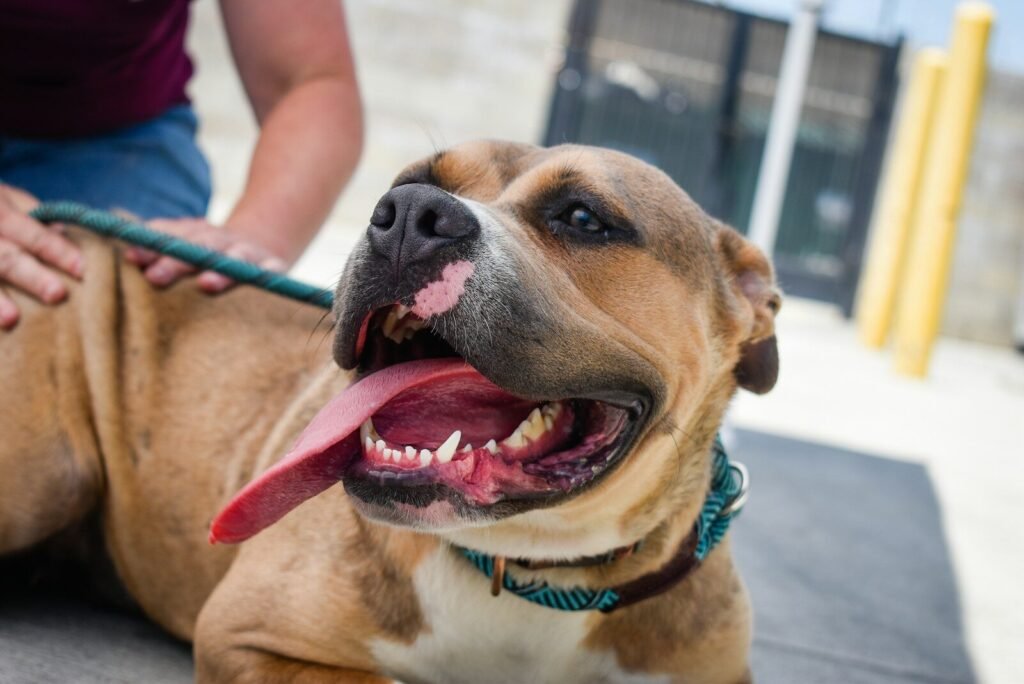
Furthermore, social media platforms and community boards often feature postings from local shelters seeking volunteers. Joining groups dedicated to animal lovers in your area can provide insight not only into available roles but also tips from experienced volunteers. Be proactive by visiting your local community centre, as these locations typically have bulletin boards listing local volunteer opportunities, including with animal rescue centres.
When you identify a potential organisation, consider reaching out directly. It is advisable to prepare a list of questions regarding the types of volunteering roles they offer, the commitment required, and any specific skills or experience they may seek. Asking about their need for help with special events or fundraising initiatives could also uncover additional ways to contribute.
Once you express interest in volunteering, be prepared for an application process that may include filling out forms, attending an orientation session, or undergoing a background check. This process varies by organisation but is designed to ensure a good fit between your skills and the centre’s needs. Embrace the journey as a way to learn about animal welfare and meet others who share your passion for helping animals.
Roles and Responsibilities of Volunteers
Animal rescue centres in the UK offer a variety of volunteer opportunities that cater to different skills and interests. Each role plays a crucial part in ensuring the well-being of the animals and the effective functioning of the organisation. Here are some of the primary roles available for volunteers:
Animal Care: This role involves direct interaction with the animals, including feeding, grooming, exercising, and socialising with them. Volunteers in animal care must possess patience and compassion, as many animals may require extra attention due to their past experiences. A basic understanding of animal behaviour and welfare can be beneficial, alongside a commitment to maintaining hygiene standards within the shelter.
Administrative Tasks: Volunteers assisting with administrative duties play a vital role in the smooth operation of the rescue centre. Responsibilities may include data entry, managing records, handling correspondence, and coordinating events. Strong organisational skills, attention to detail, and proficiency in office software can greatly enhance the effectiveness of administrative volunteers.
Fostering: Fostering involves providing temporary homes for animals that may not thrive in a shelter environment. This role is critical for socialisation and rehabilitation, often requiring volunteers to provide daily care and attention. An understanding of animal needs and a loving environment are essential for successful fostering, as is the ability to work with the rescue centre staff to prepare the animals for eventual adoption.
Outreach Programs: Volunteers involved in outreach programs help promote awareness about animal welfare within the community. This can include organising educational events, fundraising activities, and engaging with local schools. Skills in communication, marketing, or event planning can greatly enhance the outreach efforts, leading to increased community support and engagement for animal rescue initiatives.
Success Stories: Volunteers Making a Difference
Volunteers play a crucial role in the operation and success of animal rescue centres across the UK. Their dedication and compassion often lead to heartwarming transformations for both the animals in their care and the wider community. One such success story is that of Sarah, a volunteer at a local rescue centre in Manchester. Upon joining the team, she quickly became known for her ability to connect with shy dogs. Through her patience and encouragement, she helped a particularly nervous spaniel, named Max, find his confidence. With Sarah’s guidance, Max learned to trust humans again, ultimately leading to his adoption by a loving family.
Another inspiring anecdote comes from David, who dedicated his weekends to volunteering at a rescue centre in London. His love for animals motivated him to spearhead a fundraising campaign that generated significant funds for the centre, enabling the facilities to expand and provide better care for the animals. His efforts not only improved the living conditions for the animals but also inspired other volunteers to take similar initiatives, thereby creating a ripple effect of kindness and support.
Moreover, Amanda, a college student, recounts her transformative experience at a rescue facility in Bristol. As a volunteer, she was assigned to care for a group of kittens that had been abandoned. Over her time there, she developed strong bonds with each of them. The emotional labour involved in nurturing these kittens profoundly impacted her, shaping her career ambitions towards veterinary medicine. Amanda’s commitment and genuine care resonated throughout the centre, emphasizing the critical role volunteers play in enhancing the quality of life for animals awaiting forever homes.
These stories exemplify that volunteering at animal rescue centres is not merely a service; it fosters a vibrant community of compassion, awareness, and proactive change, making an indelible mark on both the animals and the volunteers themselves.
Conclusion: Join the Movement to Help Animals
Animal rescue centres play a crucial role in the welfare of animals in the UK, providing sanctuary for those in need and promoting responsible pet ownership. These organisations are essential both for immediate care and for raising awareness around animal welfare issues. Through the dedicated work of these centres, countless animals receive not just shelter, but also love and rehabilitation, ensuring they can find loving homes once again.
However, the success of these animal rescue efforts is heavily reliant on a devoted team of volunteers. Individuals who choose to lend their time and skills not only help care for animals but also significantly bolster the capacity of these centres to operate effectively. Volunteers assist with a range of crucial tasks, including feeding, socialising the animals, conducting adoption outreach, and maintaining the facilities. Their support allows permanent staff to focus on more specialized care and administrative responsibilities, thus maximising the impact of the rescue team.
For those inspired to contribute, there are myriad opportunities available, whether through direct volunteer work, fundraising initiatives, or advocacy within local communities. Many organisations provide training and orientation sessions to prepare newcomers for the responsibilities of volunteering. The importance of teamwork in animal rescue centres cannot be overstated; together, volunteers and staff can effect meaningful change in the lives of countless animals.
If you are considering becoming involved, we encourage you to explore local rescue centres, their volunteer programs, or even donation opportunities. Websites such as the Pet Rescue website or your local animal welfare charity’s homepage can provide valuable resources and contacts. Every contribution counts, and in joining the movement to help animals, you can be the catalyst for their brighter futures.